

Which Color Corrector Is Best for Flawless Skin?
Color Corrector products are one of the most transformative items in makeup routines — providing a foundation for flawless skin by cancelling unwanted tones before foundation. In this blog, we explore all the questions you’ve ever had about color correction, practical tips, real-world uses, pros & cons, and how to pick the best palette or cream for your needs.
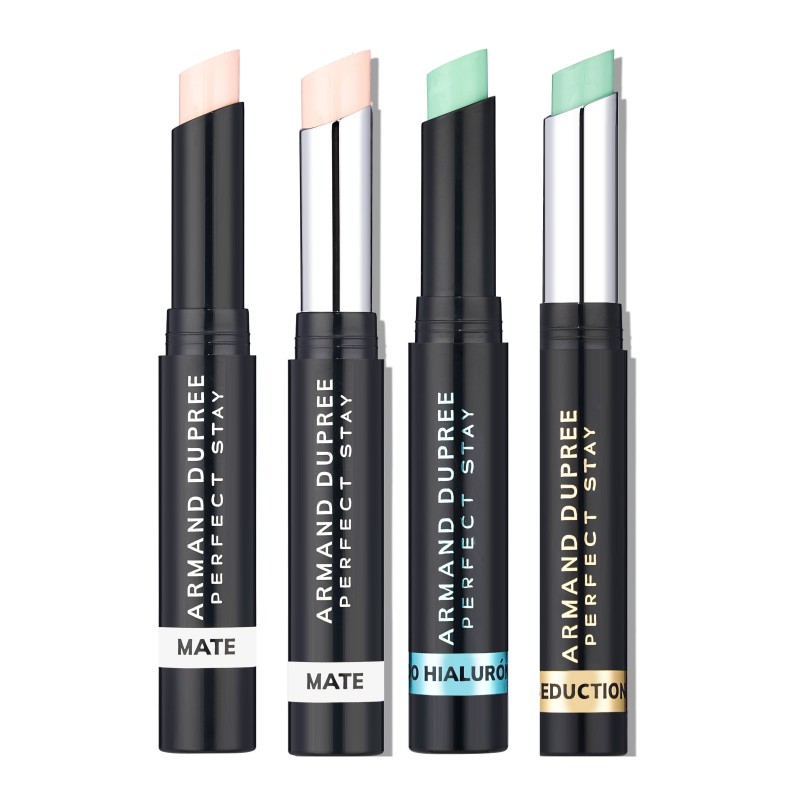
Table of Contents
What Is a Color Corrector?
Color corrector refers to a category of makeup products designed to neutralize visual imperfections on the skin using opposite colors on the color wheel. For example, green correctors cancel redness, while peach or orange tones can reduce the appearance of dark circles. These products are often found in Color Correction Concealer sticks, palettes, or liquid forms. Brands like Yiwu Boni Cosmetic Accessories Co., Ltd. offer a range of palettes suitable for both professionals and makeup enthusiasts.
Is Color Correcting Makeup the Same as Concealer?
Not exactly. Concealers typically match your skin tone and are used to cover imperfections. Color correctors, in contrast, use opposite hues to neutralize discoloration before foundation and concealer application.
Why Should You Use a Color Corrector?
Using a Best Color Corrector product enhances the look of your foundation and helps create an even, natural complexion. Whether you're dealing with under-eye shadows, acne redness, or sallow undertones, the right shade can make a noticeable difference.
- Neutralizes skin discoloration
- Makes foundation last longer
- Improves overall complexion uniformity
- Helps create professional makeup results at home
How Do You Use Color Corrector Makeup?
Applying color corrector makeup correctly can be the difference between a natural finish and an overly done look. Here’s a simple routine:
- Prep skin with moisturizer and primer.
- Apply the correct shade sparingly only where needed.
- Blend gently using a beauty sponge or brush.
- Layer foundation or concealer on top.
Which Color Corrector Shades Should You Choose?
Knowing which shades to pick is essential. Below is a quick guide:
| Problem | Corrector Shade | Why It Works |
|---|---|---|
| Redness (e.g., acne) | Green | Green neutralizes red tones based on color wheel theory. |
| Dark Circles (blue/ purple) | Orange / Peach | Orange cancels blue; peach is softer for light complexions. |
| Dull or Sallow Skin | Purple / Lavender | Adds brightness and counteracts yellow undertones. |
| Hyperpigmentation | Yellow | Yellow lifts mild dark spots under makeup. |
Many palettes, including those from professional lines by Yiwu Boni Cosmetic Accessories Co., Ltd., combine these shades to give versatility for different needs.
What Are the Benefits and Drawbacks?
Benefits of Using a Color Corrector
- Creates a smoother base for foundation
- Targets specific discoloration without heavy foundation
- Enhances makeup longevity
- Works well for bridal, photo, and HD makeup
Drawbacks to Consider
- Requires learning to blend correctly
- Can look unnatural if applied too heavily
- Not a replacement for skincare
- Some correctors may crease without proper prep
What Should Beginners Know?
If you are new to the world of Color Corrector Palette usage, here are key beginner tips:
- Start with one problem area at a time.
- Use thin layers and blend well.
- Test shades in natural light to find best match.
- Always set with translucent powder for long wear.
FAQ
What is the difference between a color corrector and a foundation?
A color corrector targets unwanted hues using opposing colors, while foundation matches and evens out your natural complexion. Correctors go underneath foundation for best results.
Can I use a color corrector on acne scars?
Yes — a green tone helps neutralize redness from acne marks. Apply lightly and blend before foundation for a seamless finish.
Do I need different correctors for dark circles?
Yes — dark circles often require peach or orange shades, depending on skin tone depth. These warm tones counterbalance blue/purple shadows.
How much product should I apply?
Use a small amount — less is more. Apply just enough to neutralize the issue, then blend before layering foundation or concealer.
Are correctors suitable for all skin types?
Generally yes, but choose formulas carefully. Creams work well for dry skin; liquid correctors may be better for oily skin. Always test for comfort and longevity.