

How to choose the perfect foundation that won't clump?
Many people assume that clumping is a sign of a bad foundation, but often it's simply a conflict between the foundation and your skin. The key depends on your skin condition. If you have dry skin, be wary of foundations that claim to have strong oil control or high alcohol content, as they will absorb your skin's already meager oil and moisture. For combination skin, avoid foundations with too thick a texture. Otherwise, your T-zone will be oily and your U-zone will be dry, which will make it especially prone to white lines around the sides of your nose. While oily skin may be less prone to clumps, choosing the wrong foundation can cause acne or make it float and cling to your skin.
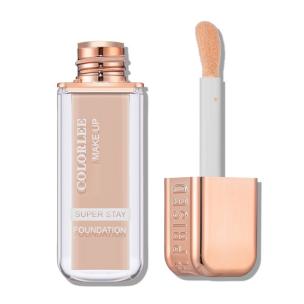
Learn to read the ingredients
Don't just listen to influencers' recommendations for foundations online; it's more reliable to learn how to read the ingredients yourself. For dry skin, look for foundations with hyaluronic acid, glycerin, or plant oils like jojoba oil, which can help hydrate your skin. Oily skin types should look for labels that say "Oil-Free" and "Non-comedogenic," and avoid pore-clogging ingredients like mineral oil and lanolin. For those with sensitive skin, the simpler the ingredient list, the better. Avoid fragrances, alcohol, and harsh preservatives whenever possible.
Try it yourself
If you really want to avoid the pitfalls of cakey foundations, the best way to do it is to try the foundation in person in a store. Simply testing the shade on the back of your hand before buying is a bad idea; the skin on your hands and face is very different. Before buying, don't wear anything else on your face. Apply foundation directly to the area where your chin meets your neck. This will help you determine the color and adhesion. Don't rush to pay after trying it on. Instead, walk out of the store and spend two hours in natural light to observe carefully: cakey foundations often show up on the wings of your nose and under your eyes. Wait a while to see the foundation's true performance. If you notice it caking in fine lines or flaking, discard it.
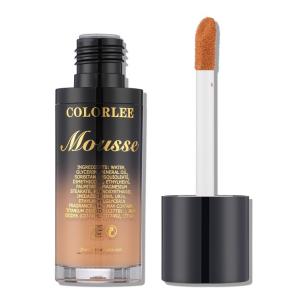
Technique is crucial
Choosing the right foundation is crucial; incorrect technique can lead to cakey results. For dry skin, use a moisturizing essence as a base before applying makeup. Then, gently pat it on with a damp beauty sponge. Avoid rubbing, as this can easily remove the added moisture. For oily skin, wait three to five minutes after applying your skincare products to allow them to absorb before applying foundation to prevent them from clashing. Regardless of your skin type, when setting makeup, avoid applying it on dry areas. For dry skin, a light dusting of loose powder on the T-zone is sufficient. For oily skin, a brush sets makeup more effortlessly than a powder puff, preventing clumping.
So what does a truly effective foundation feel like? It's when evening approaches and you look in the mirror and find you're barely even wearing any foundation, your complexion looking even and radiant. It won't reveal powder specks around your nose in the harsh elevator lights, nor will it leave embarrassing marks when you remove your mask. Remember, foundation should be a helper for your skin, not a mask—when you can't even feel it, congratulations! You've found your perfect partner.
| Application Technique | Skin-Specific Methods |
|---|---|
| Dry Skin Prep | Moisturizing essence base <br> Damp sponge pat application <br> Avoid rubbing motions |
| Oily Skin Prep | Wait 3-5 mins after skincare <br> Prevents product conflict |
| Setting Universal | Avoid dry areas entirely <br> Dry skin only set T-zone <br> Oily skin use brush not puff |